
East Palestine 6 Months After
6 Months After the Train Derailment: What's it like to live in the impacted area? What do we know? What remains unknown? And how do we prevent future disasters like this?
6 Months After the Train Derailment: What's it like to live in the impacted area? What do we know? What remains unknown? And how do we prevent future disasters like this?
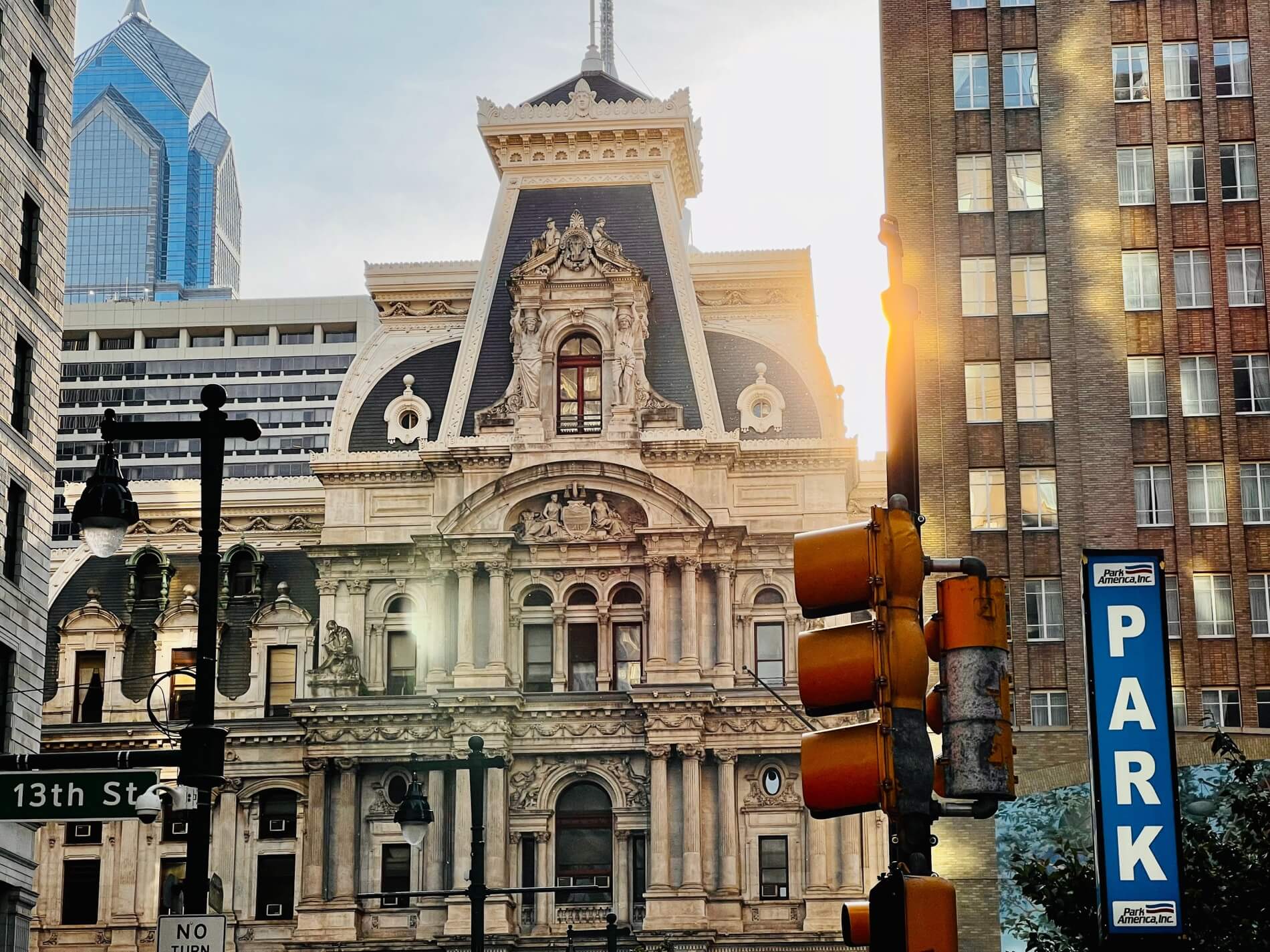
This Fund will support community groups working to ensure that all Philadelphia residents have a livable community, free of environmental toxins and hazards.

Racial healing, Justice, and Children's Health webinar
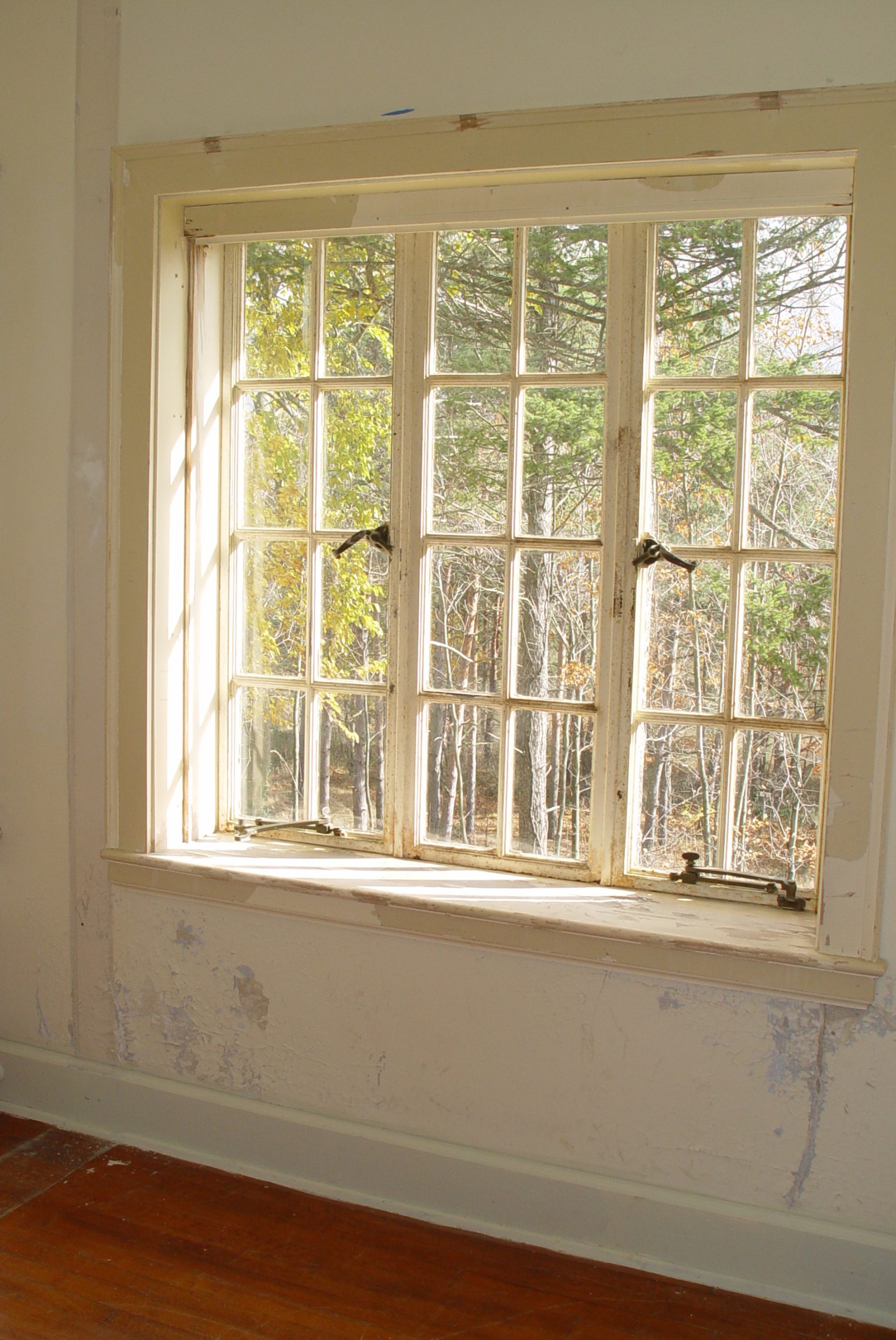
The National Center for Environmental Health Childhood Lead Poisoning Prevention Program is pleased to announce a new Notice of Funding Opportunity, Supporting Communities to Reduce Lead Poisoning.
In this series, we aim to inspire students and practitioners of environmental health science to share their research in an effort to promote meaningful change.

In this webinar, we will hear about two projects that are improving environmental public health using mobile apps.
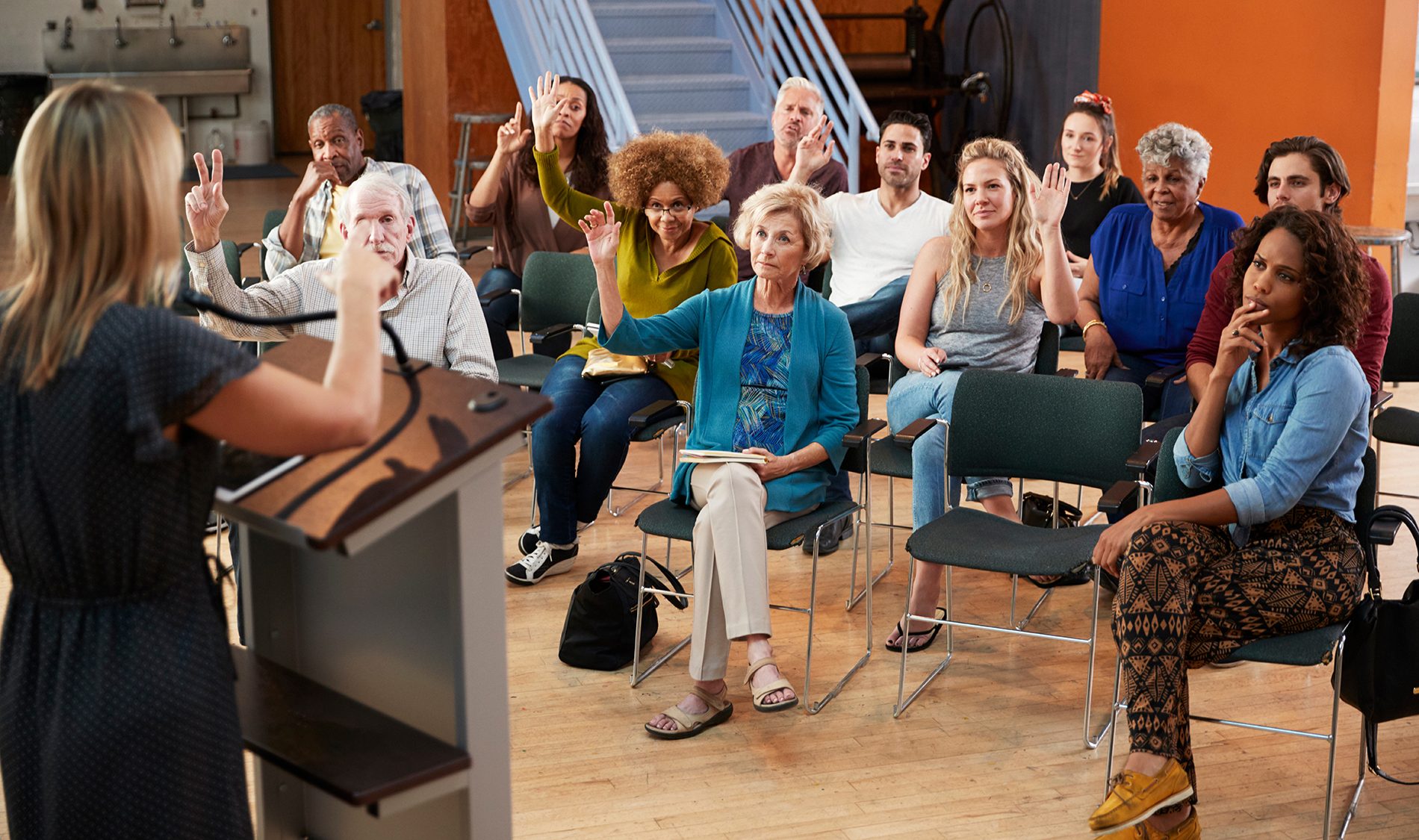
At a public meeting, University of Pittsburgh School of Public Health scientists will present the results of studies exploring health impacts of human exposure to environmental risk factors, including unconventional natural gas development activities, in an eight-county region in Southwest Pennsylvania.

The Community Block Party and Health Fair Collaboration is an outreach event envisioned and driven by the need to connect and aid the youth in our community before going back to school.

Join for a webinar on child care, children’s environmental health, and the Child Development Associate (CDA) credential.
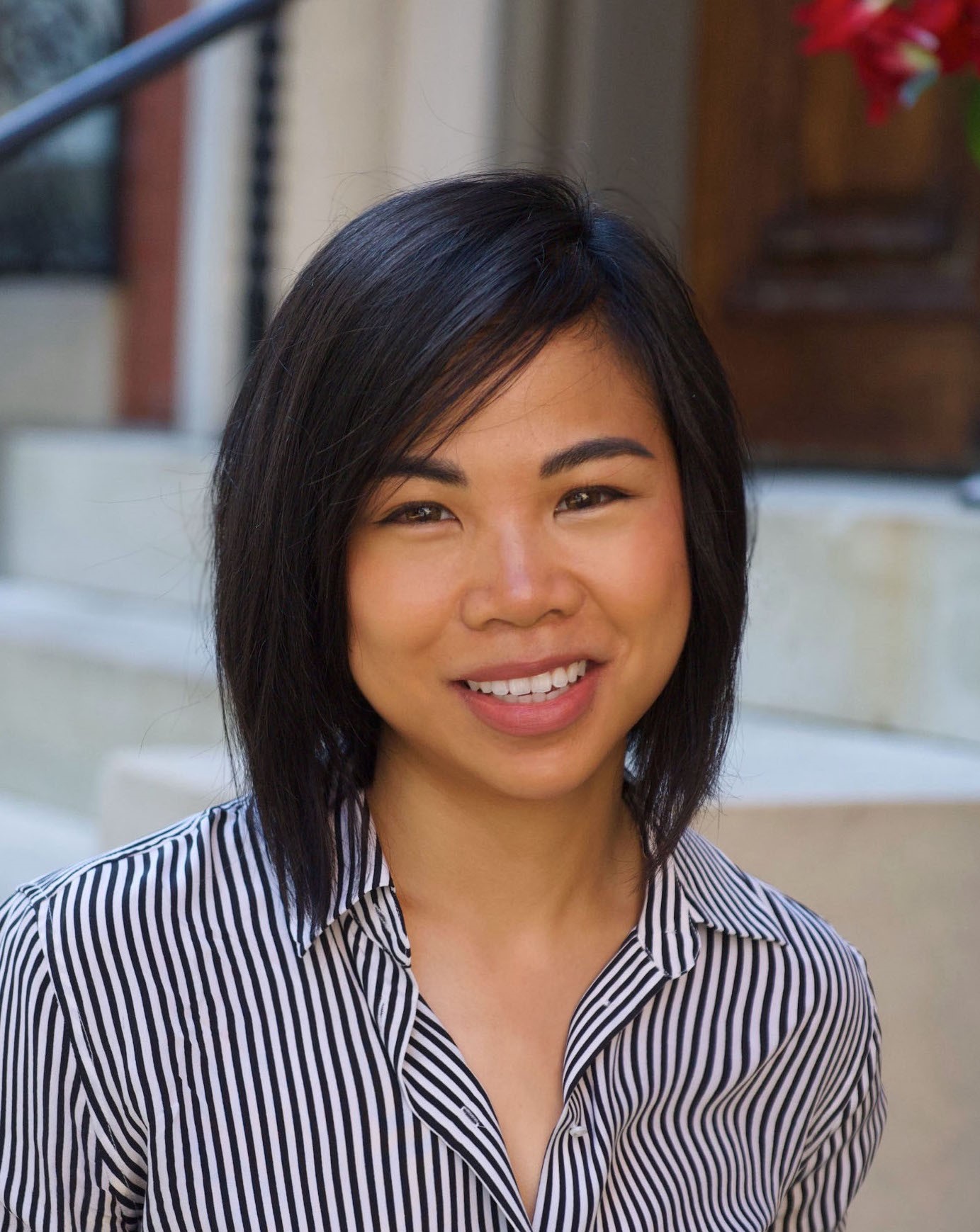
Penn Medicine's Department of Biostatistics, Epidemiology and Informatics Faculty Special Seminar
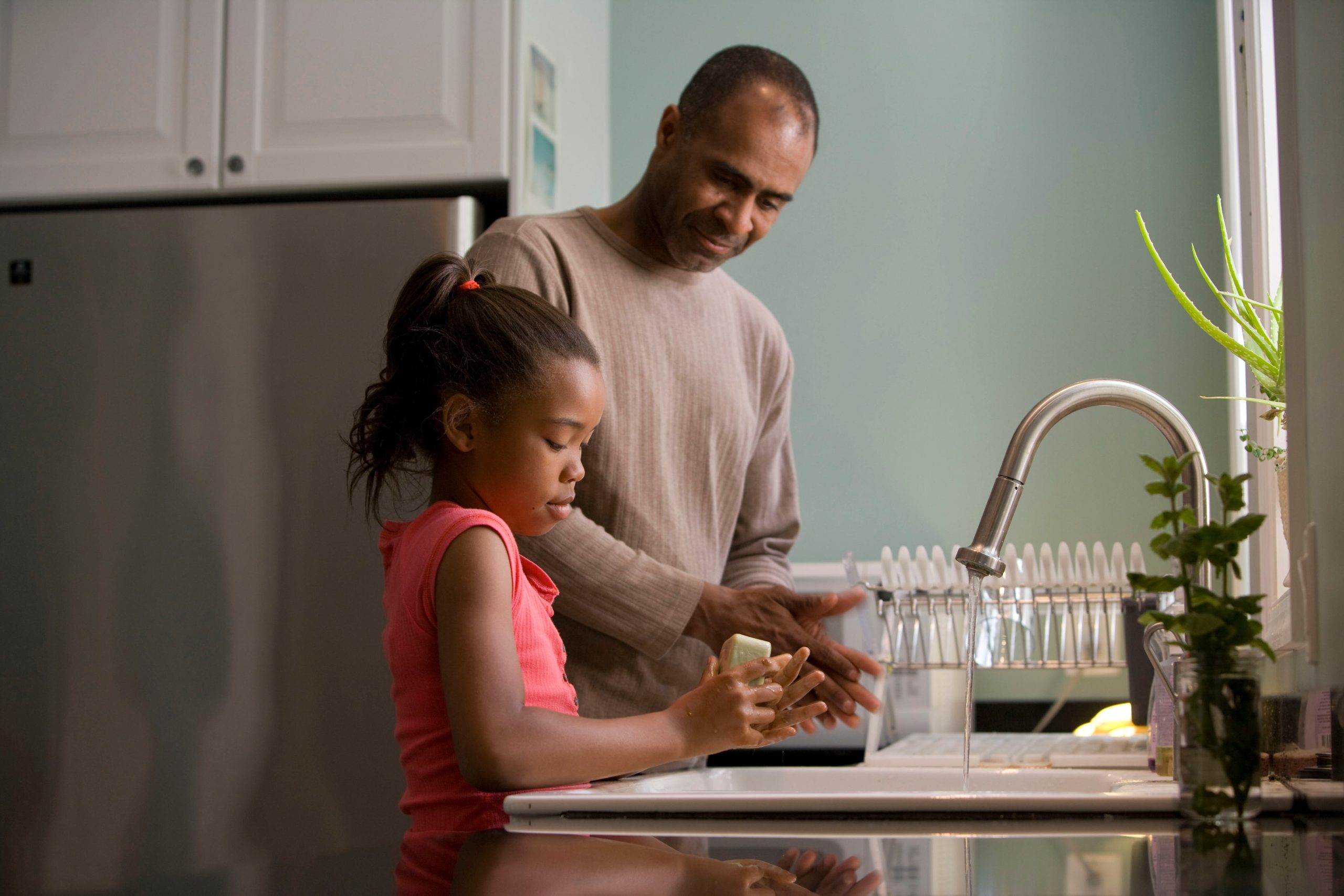
First part of the CEEJH Symposium is virtual. In the last 11 years, conversations have included sustainability in the Chesapeake Bay watershed; grassroots activism; health, law, and policy tools for environmental justice communities; STEM innovations for empowering community stakeholders and more.

Second part of the CEEJH Symposium is in person at the University of Maryland. In the last 11 years, conversations have included sustainability in the Chesapeake Bay watershed; grassroots activism; health, law, and policy tools for environmental justice communities; STEM innovations for empowering community stakeholders and more.