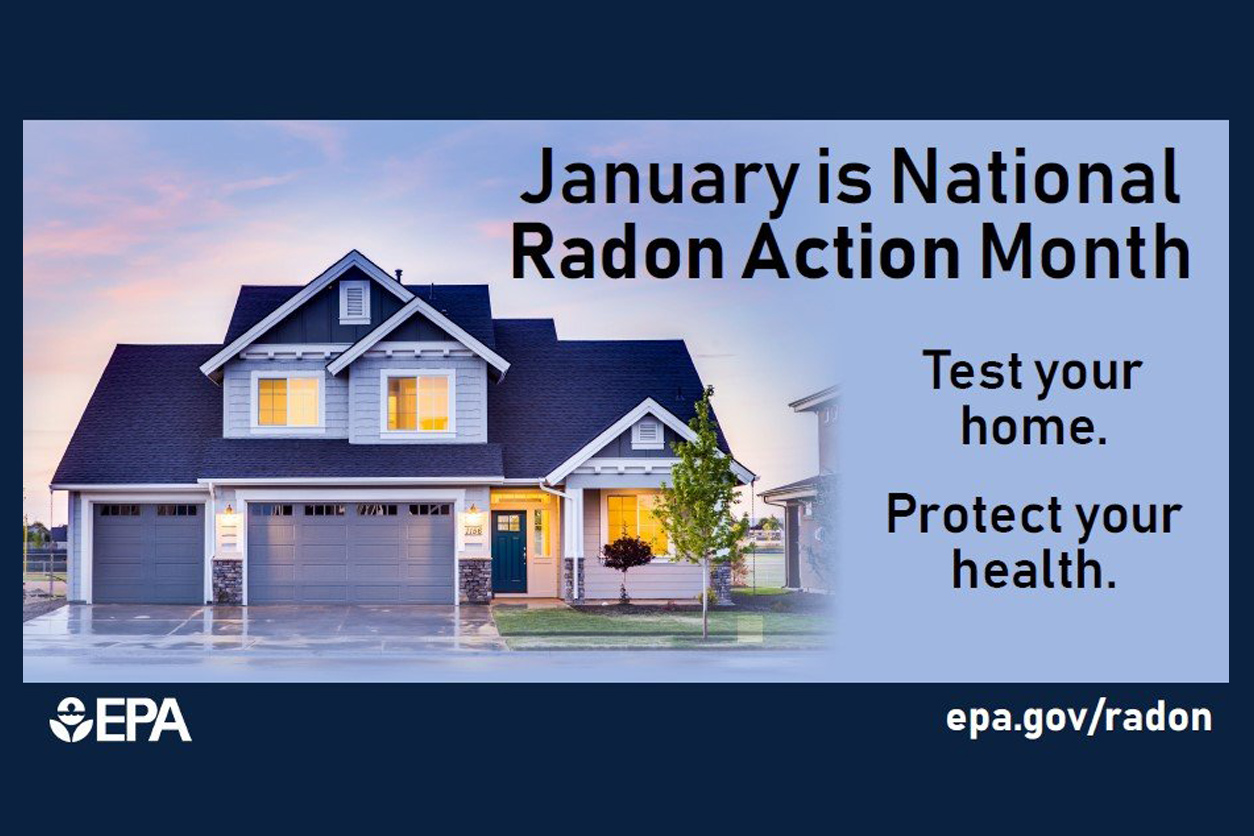
January is National Radon Action Month
January is National Radon Action Month, a vital time to raise awareness about one of the most common – and preventable – environmental health risks facing children today.
January is National Radon Action Month, a vital time to raise awareness about one of the most common – and preventable – environmental health risks facing children today.
His work with other researchers on the health effects of ozone exposure has focussed on the cardiovascular effects of air pollution and on factors which modify the body’s response, with some evidence that diabetics patients are more susceptible.
Thank you for another great year at Philadelphia Regional Center for Children’s Environmental Health. We appreciate all our wonderful members, partners, and collaborators. Please enjoy this infographic of the year that was!
A new website details over a century of a tumultuous, industrial history at the facility, which has since been demolished by its new owners.
An overview of the major types of air pollutants commonly found in indoor environments, and their primary sources. It will examine the factors affecting indoor air quality and explore effective control measures to reduce indoor air pollutant levels
The Children’s Environmental Health Network has developed fact sheets that include indicators of environmental hazards, environmental exposure, and child health and development to provide an understanding of children’s environmental health at the state level.
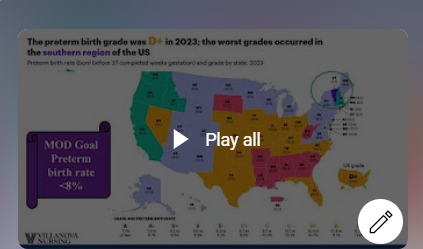
Bringing together healthcare professionals and parent advocates to elevate health equity, inclusion, and accountability, while centering the lived experiences, and solutions of Black birthing and preemie families in challenging times.
This event will provide on-site assistance to apply for the Low Income Home Energy Assistance Program. Income eligible households will be able to apply for up to $1,000 in assistance. This program is open to homeowners and renters. Applicants do not need to be delinquent to apply.
Five webinars on children’s environmental health for nurses
Speaker Dr. Gary Adamkiewicz (Harvard T.H. Chan School of Public Health), will provide insights related to identifying housing and household environmental factors that can influence health based on his more than 20 years of experience in conducting home-based studies in the greater Boston area.
This webinar will ground the issue of urban wildfires in LA within the broader fight for environmental justice, public health, and resilience.
The 2025 U.S. Asthma Capitals report identifies cities with high rates of asthma-related emergency room visits and deaths.
Deeply Rooted has planted over 1,000 trees, greened over 1,000 vacant lots, and funded 79 community grants.
Healthy Schools is a program of WHE and was created to act as a resource-rich information hub for
the school community, including parents, teachers, staff and administrators.
Recordings from the scientific and translational research sessions led by post-docs, early-stage investigators and faculty from the University of Pennsylvania, Villanova University and Thomas Jefferson University.
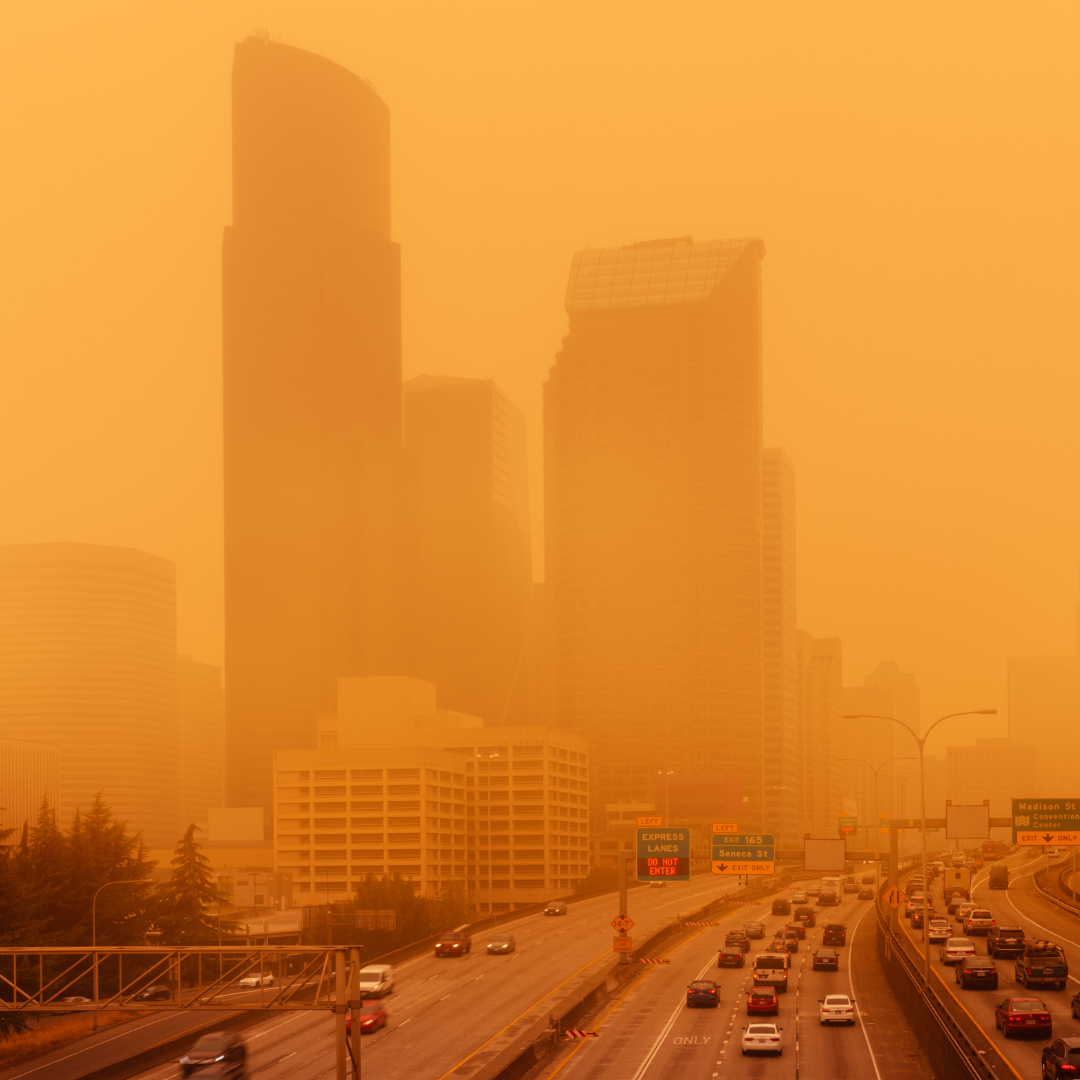
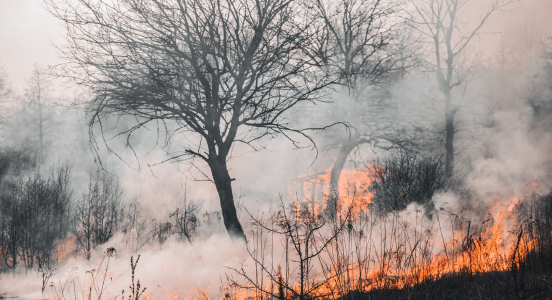
This live conversation will explore how wildfire smoke affects young children and how the LA Fire HEALTH Study is working to better understand its short- and long-term health impacts. The […]
Dr. Aruni Bhatnagar has spearheaded the development of the new field of environmental cardiology, which examines how environmental exposures affect cardiovascular health and disease risk.
These free trainings are designed to help advocates across all sectors—public health, early childhood, education, environmental justice, caregiving, and youth—build power, tell our stories, and take meaningful action together.
“Eco-nesting” is a growing trend that approaches nesting with a focus on avoiding the many everyday products that contain chemicals known to hurt babies’ and pregnant people’s health.
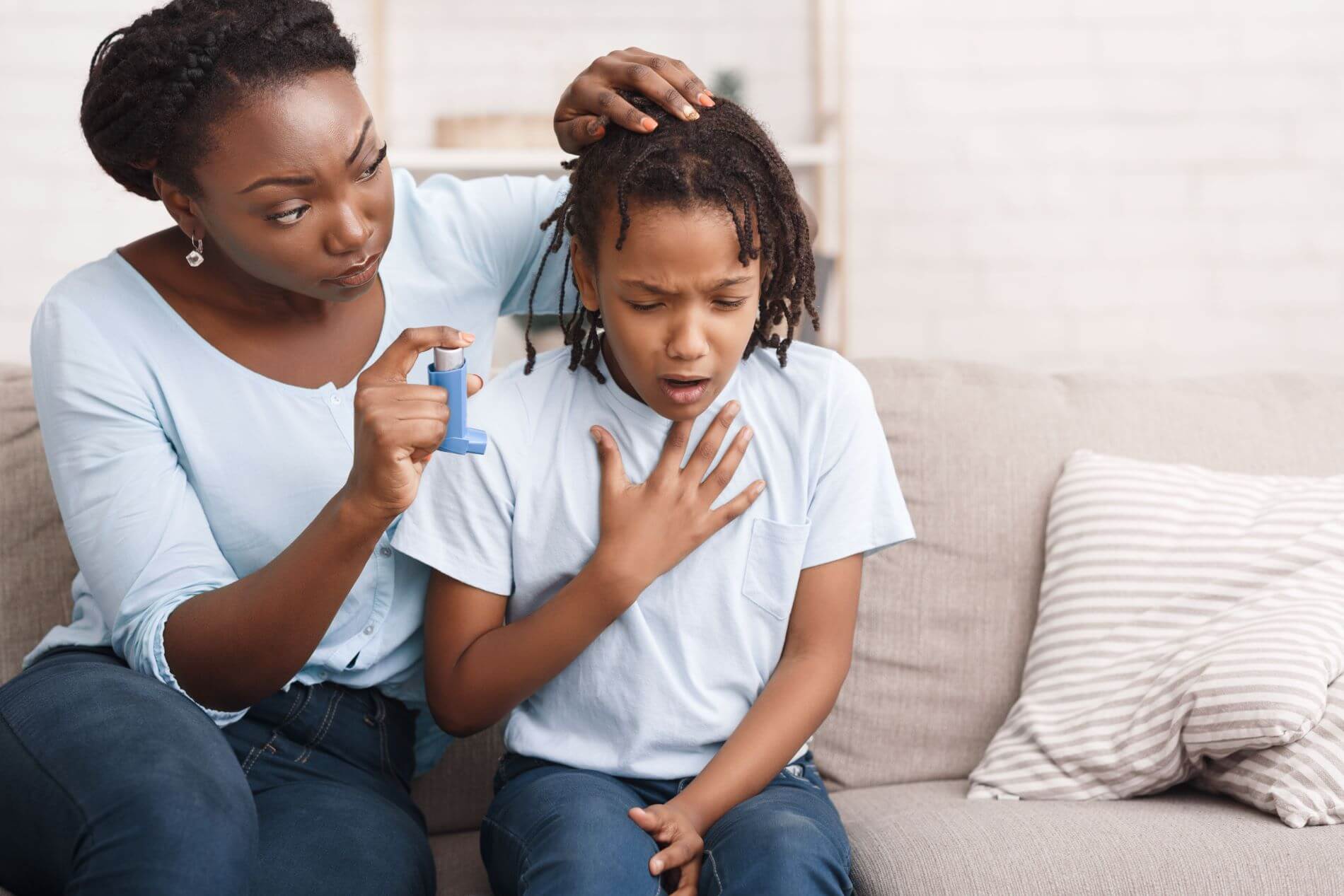
This webinar will explore the intersection of wildfire smoke exposure and childhood asthma. Expert speakers, drawn from EPA’s National Environmental Leadership Award in Asthma Management winners and wildfire smoke grant program recipients, will share best practices, community-engagement strategies, and innovative approaches.
The ECHO Translating Science to Action Symposium brings together researchers, policymakers, health professionals, and advocates to translate child health research into impactful solutions.
Children’s Environmental Health (CEH) Day takes place on the second Thursday of October each year. It’s based on the idea that, together, we can create a healthier, safer, more equitable world for all children—where fewer children suffer from preventable health issues.
A conversation on the optimal maximum indoor temperature, why this research is so challenging and where research and policy must go from here.
Three experts from the Philadelphia Regional Center for Children’s Environmental Health talk about their work on extreme weather and its impacts on children’s health.