

Identifying and addressing lead exposure knowledge gaps
Children's Environmental Health Day webinar on lead poisoning, misconceptions and hidden exposure, and communicating to the public about lead safety.
Join CHARTER virtually in Roblox for an exciting afternoon of interactive games focused on children’s environmental health.
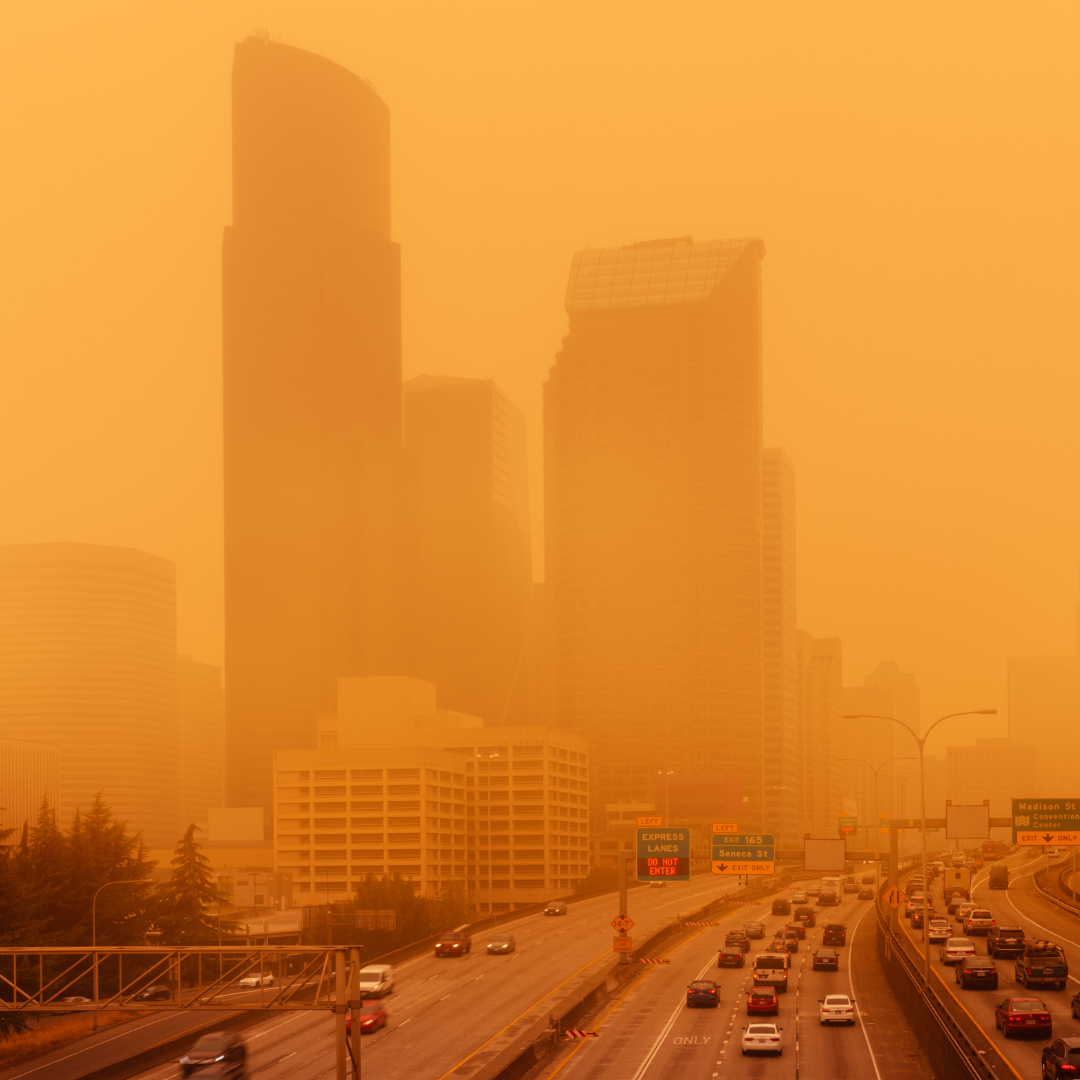
Now in its sixth year, Climate Week at Penn offers opportunities for every member of the Penn community to learn about and act on the climate crisis. The theme for 2025 is “Hot Spots,” be they literal (wildfires and extreme heat) or figurative (political, cultural, interpersonal, or scholarly hot topics).
Speaker Dr. Gary Adamkiewicz (Harvard T.H. Chan School of Public Health), will provide insights related to identifying housing and household environmental factors that can influence health based on his more than 20 years of experience in conducting home-based studies in the greater Boston area.
Join PEHSU’s Childhood Cancer & the Environment Program to learn more about oil and gas development and pediatric cancers from Nicole Cardello Deziel, PhD, MHS.
October Seminar of the Philadelphia Regional Center for Children's Environmental Health
This webinar will provide an overview of lead exposure in children, including sources and impacts. The presentation will explain why universal screening for lead exposure is important, as well as the management of elevated blood lead levels.
Bring your household items for instant lead contamination testing - completely free. Protect your family's health and learn how to reduce exposure at the Lead Free Community Expo.
Five webinars on children's environmental health for nurses
In this webinar, Adriana Antezana and Jonathan Kalmuss-Katz of Earthjustice will explore scientific practices in safeguarding the public from toxic chemical exposures.
Thomas Gluodenis, Associate Professor, Chemistry & Physics, at Lincoln University of PA, will give a talk on potential, hidden exposures to toxic chemicals that can be found in our communities.
Many institutions and communities are engaged in decision-making about athletic fields and playground surfacing. Building professionals, planners, and designers often need to assess competing proposals for infrastructure. With increasing awareness of the need to reduce plastic use and pollution globally, it is important to consider the role of the built environment in contributing to the total burden of plastics.