
The Health Effects of Chemicals used in Food Packaging
This webinar will also discuss opportunities for nursing action at the federal level and, if applicable, the state level.
This webinar will also discuss opportunities for nursing action at the federal level and, if applicable, the state level.
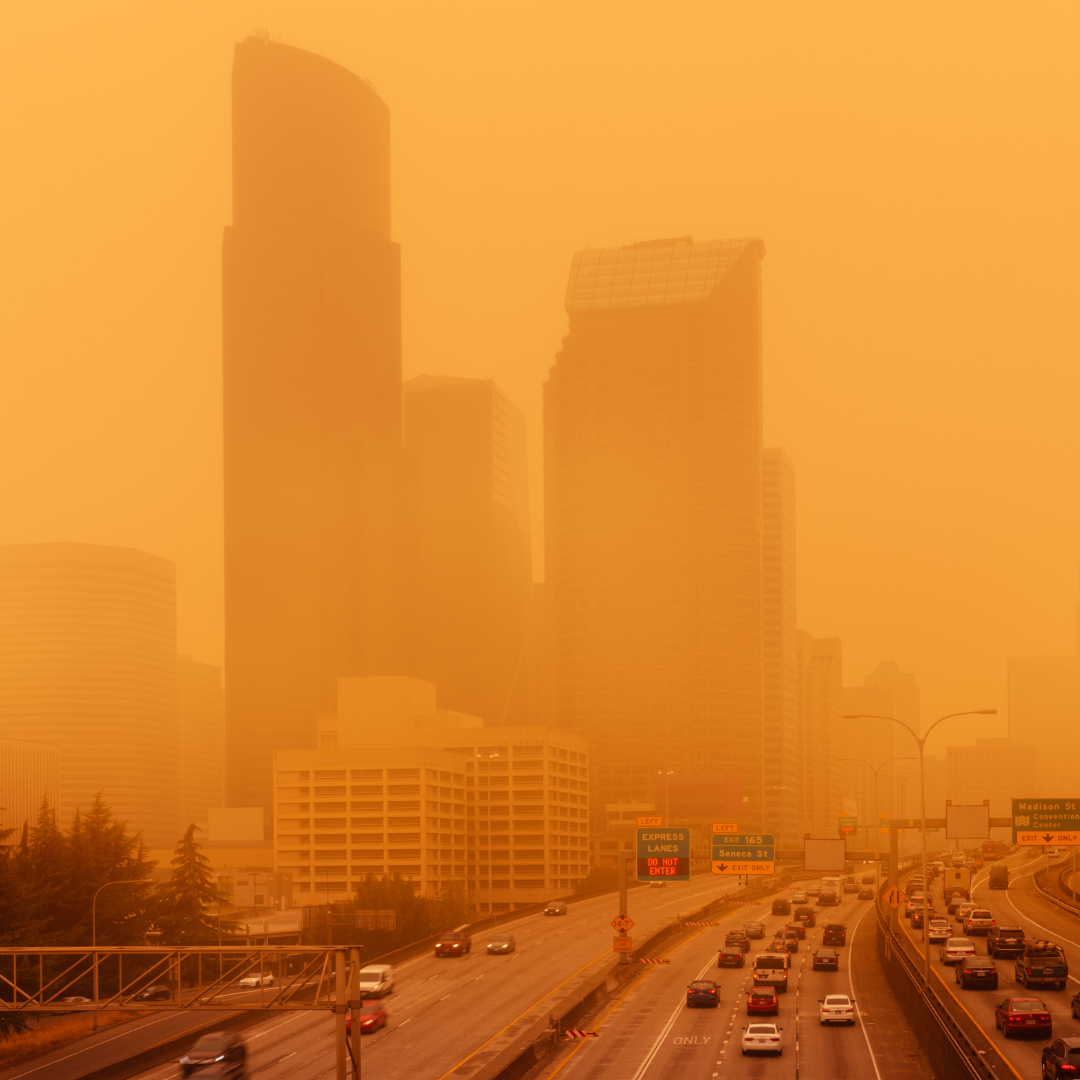
This webinar will ground the issue of urban wildfires in LA within the broader fight for environmental justice, public health, and resilience.
Join us for an engaging and solutions-focused session featuring three expert presenters from the fields of environmental policy and circular economy innovation. Each will deliver a concise presentation addressing a key phase of the plastics journey followed by a dynamic discussion among the speakers, exploring intersections, tensions, and opportunities for collaboration.
Seminar by the Center of Excellence in Environmental Toxicology. Speaker: Shuo Xiao, PhD – Associate Professor, Department of Pharmacology and Toxicology, Rutgers University
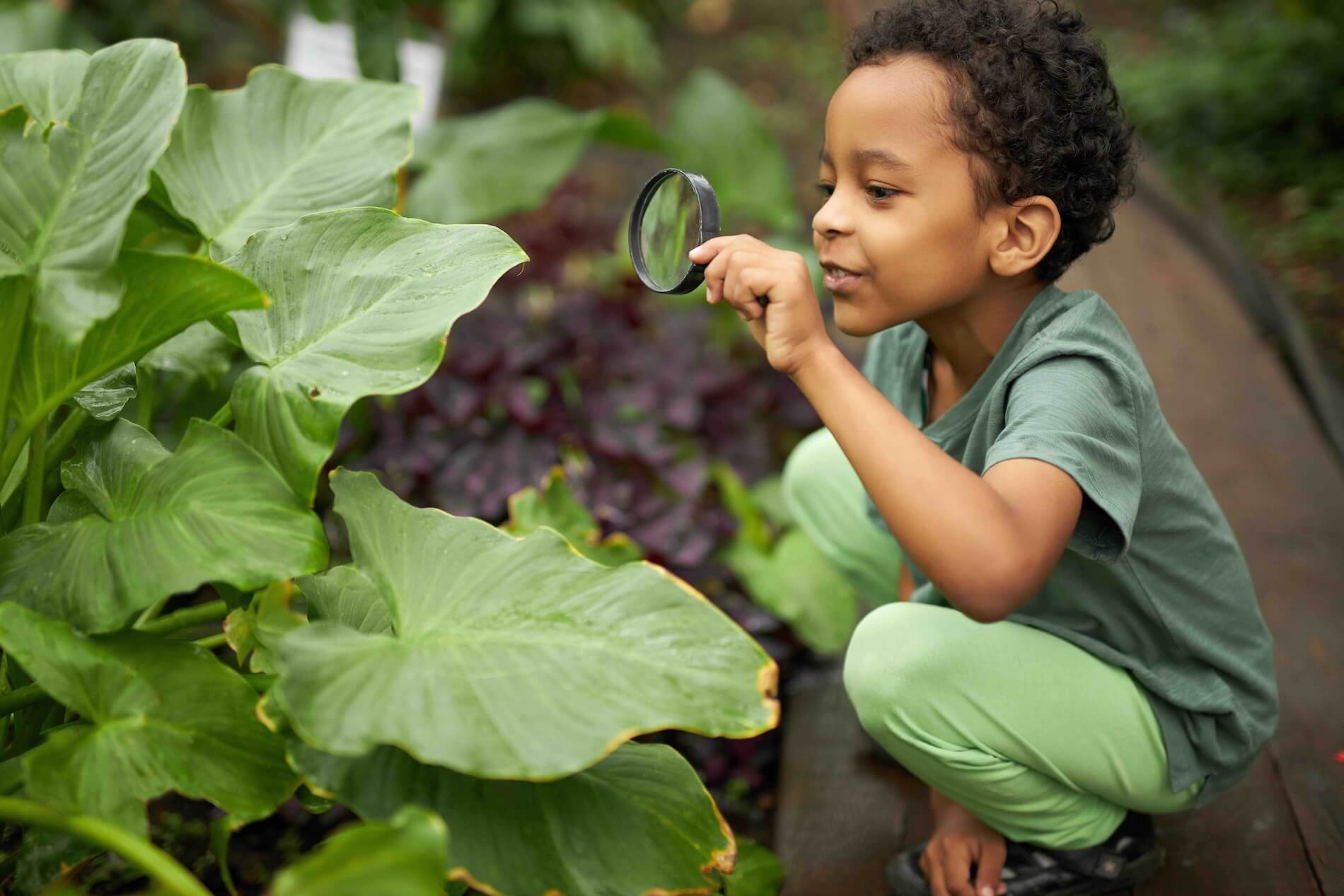
Children’s Environmental Health (CEH) Day takes place on the second Thursday of October each year. It's based on the idea that, together, we can create a healthier, safer, more equitable world for all children—where fewer children suffer from preventable health issues.
Children's Environmental Health Day webinar on lead poisoning, misconceptions and hidden exposure, and communicating to the public about lead safety.
Join CHARTER virtually in Roblox for an exciting afternoon of interactive games focused on children’s environmental health.
Now in its sixth year, Climate Week at Penn offers opportunities for every member of the Penn community to learn about and act on the climate crisis. The theme for 2025 is “Hot Spots,” be they literal (wildfires and extreme heat) or figurative (political, cultural, interpersonal, or scholarly hot topics).
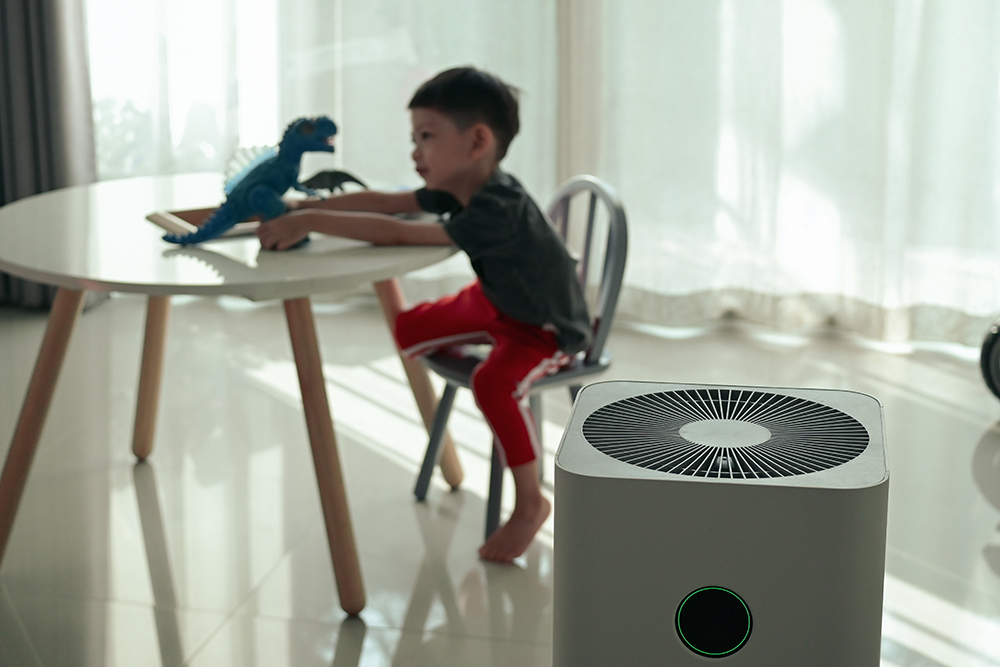
Speaker Dr. Gary Adamkiewicz (Harvard T.H. Chan School of Public Health), will provide insights related to identifying housing and household environmental factors that can influence health based on his more than 20 years of experience in conducting home-based studies in the greater Boston area.
Join PEHSU’s Childhood Cancer & the Environment Program to learn more about oil and gas development and pediatric cancers from Nicole Cardello Deziel, PhD, MHS.
October Seminar of the Philadelphia Regional Center for Children's Environmental Health

This webinar will provide an overview of lead exposure in children, including sources and impacts. The presentation will explain why universal screening for lead exposure is important, as well as the management of elevated blood lead levels.